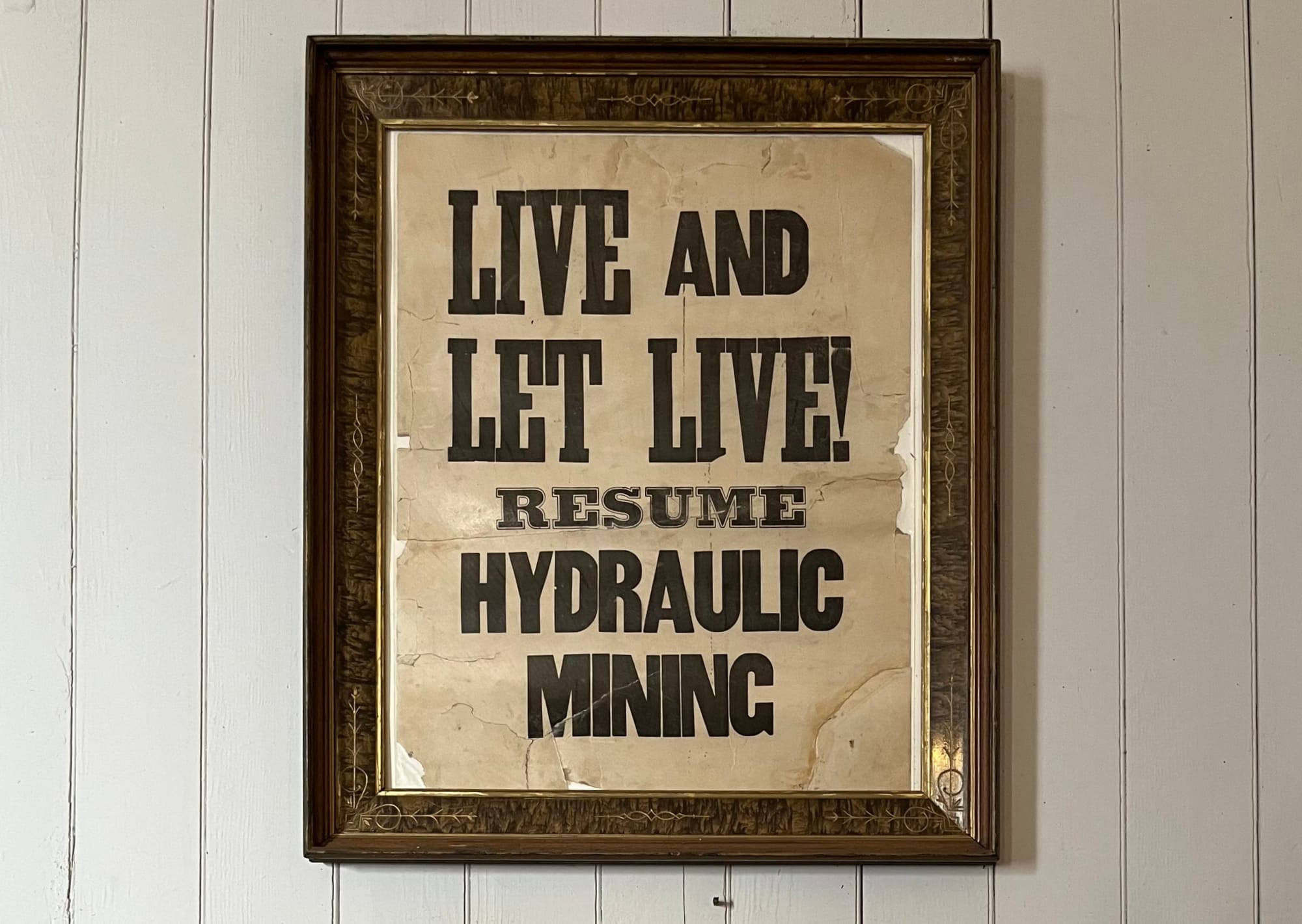
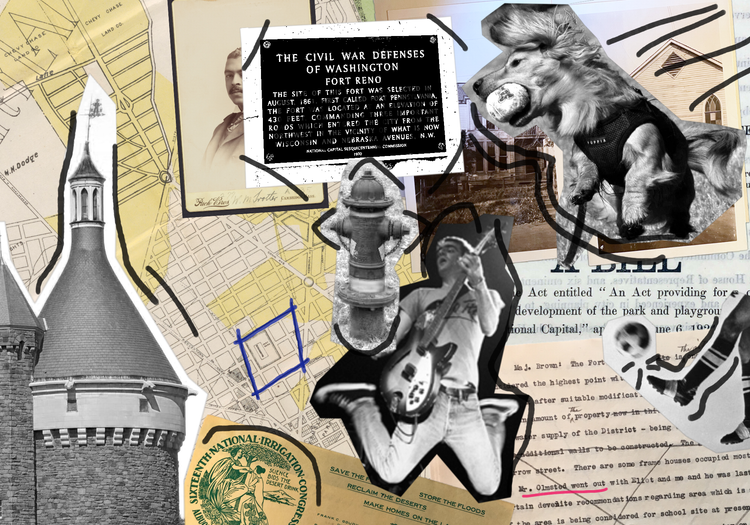
Where did Francis Newlands learn about the power of natural resources?
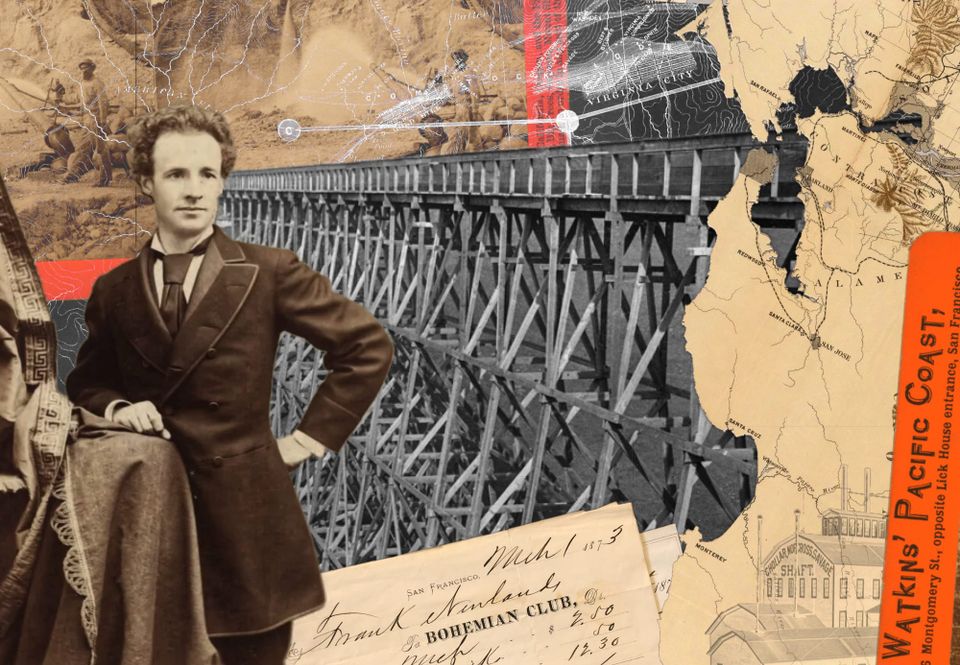
Is land worth anything without water?
Whether for sustenance or profit, access to water does seem to always increase the value of land to human societies. For agriculture, the case is pretty obvious: it's hard to grow anything without at least some water for crops or livestock. Water has been valuable for industry: for power, for transportation, and for processes. On-demand access to clean water is, of course, essential to life in modern cities. Thinking about the fragility of its supply makes me want to light a candle for my tap. On the flip side, too much water can be a problem, whether it's stagnant or rushing. As with so many things, having the right amount of water at the right time is critical to getting the most out of land. This was a lesson learned early and well by the investor and politician Francis Griffith Newlands.
Longtime followers know Newlands as the passionately racist developer whose companies made the area west of Rock Creek the suburbs of choice for DC's elite. The handful of people who follow me for western history know Newlands as the sponsor of the 1902 legislation that created the United State Bureau of Reclamation and began federal support for growing alfalfa in the desert. What is so interesting is that both aspects of the man emerge from the same man, when he was young and went by Frank.
Having grown up in itinerant genteel poverty, Newlands gained social entrée after graduating from what is now George Washington University Law School. Moving to the San Francisco Bay Area, he leveraged his connections to join a respectable law firm. Disciplined and gregarious, he quickly became a fashionable bachelor and clothes horse, joining with other hipsters to co-found the notorious Bohemian Club. By 1872, he had become counsel to the ruthless California kingpin William Sharon.
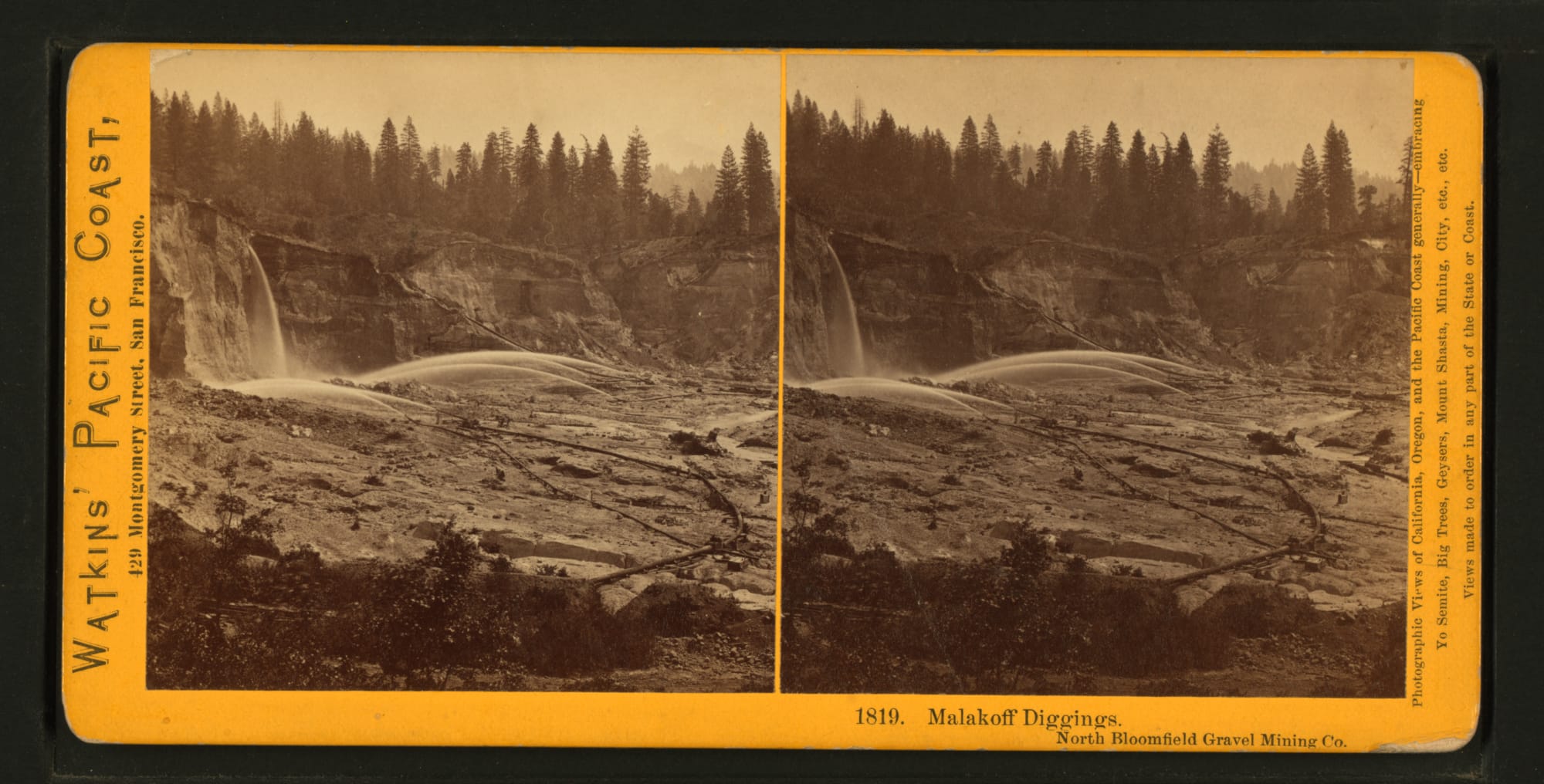
Sharon's California was in the throes of a fight between agricultural and mining water users. By the 1860s, most mining in California was hydraulic. That is, miners acquired rights to water from creeks high in the Sierra Nevada, channeled their share into large flumes which shot downhill. When the water arrived at the mine, it was forced through nozzles into a jet. The targeted pressure eroded the loose rock and sediments on the slopes of the mountains. The slurry then flowed through further flumes and in the case of major facilities like the North Bloomfield, or Malakoff mine, through tunneled drains until it passed through fractional settling structures that separated the valuable ores out. The ore would then be sent to a set of industrial mills, many of which were water-powered, and other refineries which required water for chemical processes. The water that left these industrial sites was... not good. Not only was it leaden with heavy metals that poisoned any living thing that drank it, the sheer volume of sediment reshaped riverbeds, leading to severe flooding and navigation problems.
This was especially true because the affected rivers flowed through the most fertile land in California: the valley around the the Sacramento river. Compared to the southern half of the Central Valley, this area was climatically mild and had consistent access to water. More valuable still were lands that had been "reclaimed" from the confluence of the Sacramento and San Juan rivers: the California Delta. The conversion of this rich but very wet soil was aided by the Swamp Act of 1850, a federal law that incentivized the drainage of wetlands through property rights.
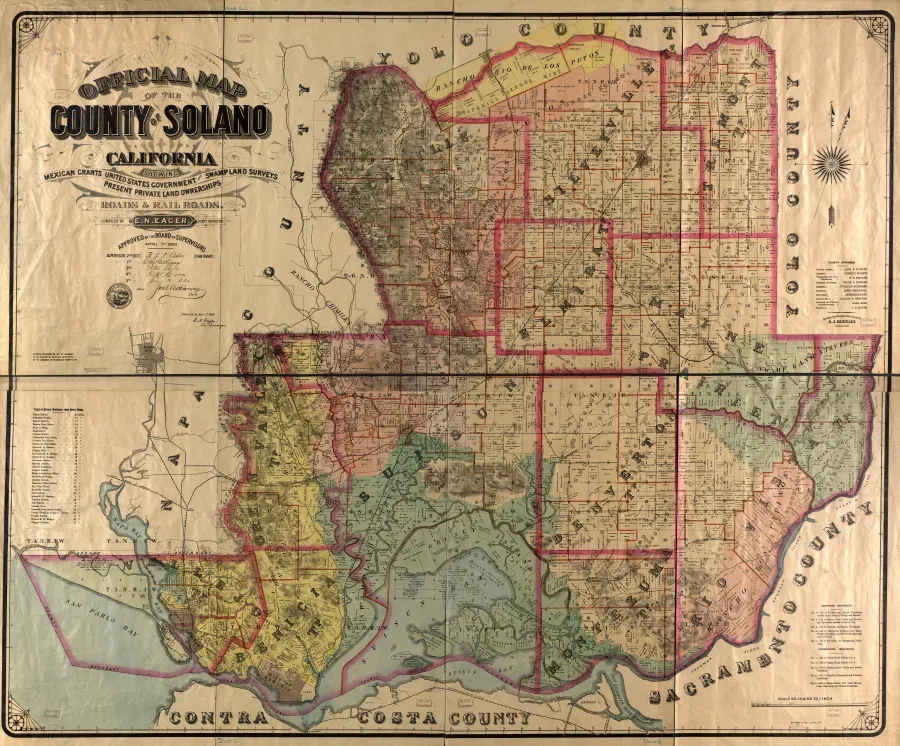
As Anglo-Americans flooded to California, the agricultural industry boomed as much as mining. Just as the flumes made the mountains valuable, pumps made the Delta profit. And just as the levees expanded farmland downriver, irrigation expanded it along the Sacramento. More water stored in mountain lakes was distributed through private water rights corporations, known as "ditch companies" (the name completely self-explanatory, actually). Steam power was applied to irrigation and drainage as much as to mining, tapping not only the same technology but also the same capital markets. So, when this increasingly intensified farming industry saw ditches clog, levees break, and their crops die, they needed action. For millennia, the mountain runoff enriched the Delta's soil. Now that it was bound up in capital and property, the wash poisoned it.
Ultimately, a farmer sued the company that owned the Malakoff mine. A court then held them responsible for their mine tailings. It took some time, but the Wild West was over, at least in mining. For William Sharon, whose bank was an investor in both the Malakoff company and a Sacramento Valley landowner, this was a difficulty but not a crisis. It had long ago diversified, under his own guidance and the direction of his chosen successor and son-in-law, Francis Newlands.
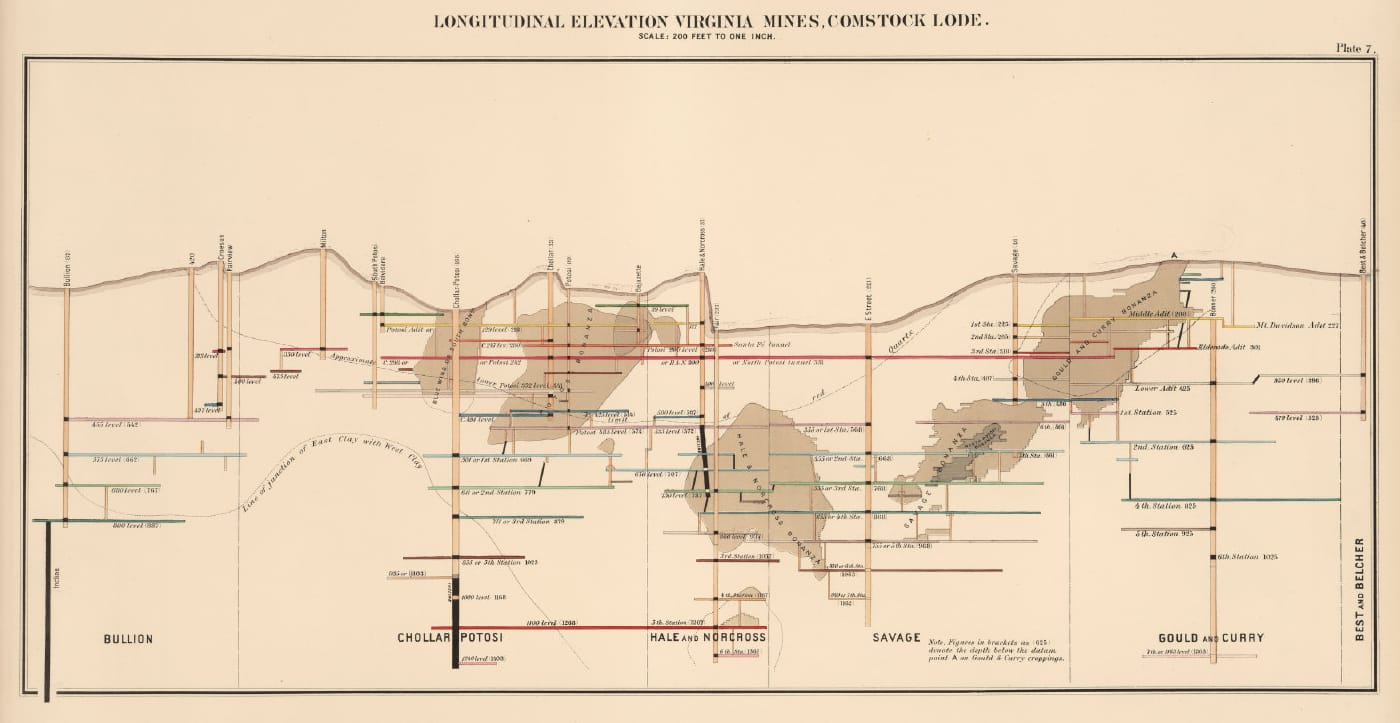
Their core business was actually in Nevada: downstream processing of silver mined from the Comstock Lode, a massive silver deposit between the Truckee and Carson Rivers south of Reno. The silver rush was no different than any other bubble. Investment and laborers flooded to the area and mostly left ruined. Since 1863, Sharon had been the manager of the Nevada branch of largest lender in San Francisco, the Bank of California. Taking up residence in the boomtown that sat above the mines, Virginia City, he set out to consolidate the industry and cut waste. In addition to aggressive stock market plays on mines, he loaned money to the processing mills and then claimed them when they inevitably had liquidity crises.
Water shaped Sharon's strategy. Mills that ran on steam required wood, which required extra labor and transportation. So he closed those and reinvested in ones that were only powered by the Carson River. To ensure sufficient flow, he acquired obsolete water rights, bought upstream land, and went to court against ranchers. Simultaneously, he faced the opposite problem in the mines: there was too much groundwater. Mines had mostly solved the problem the way they had from the time of Vitruvius: pumping it out the top or discharging it through horizontal shafts called adits. An investor named Adolph Sutro proposed something bigger: drain the entire mountain.
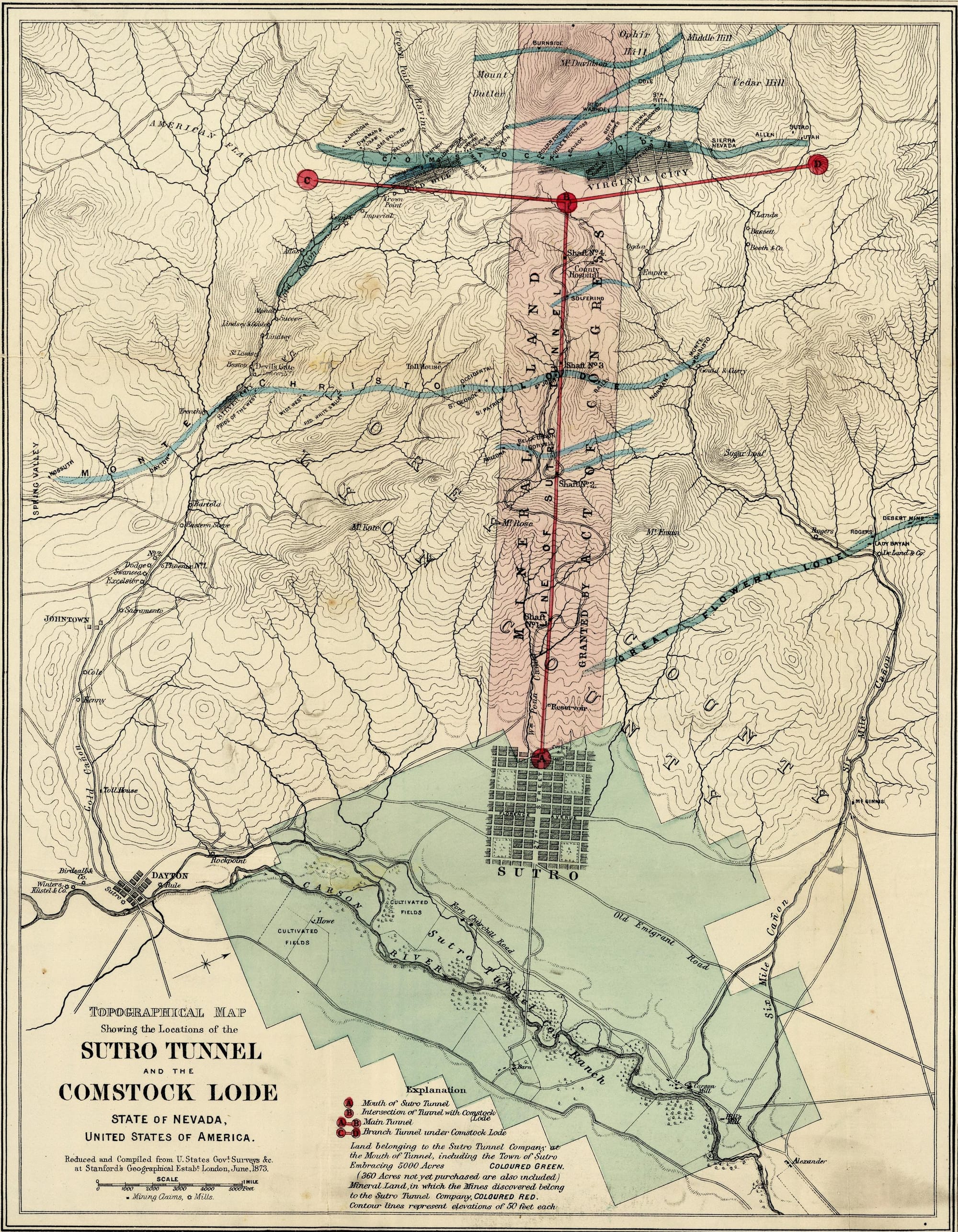
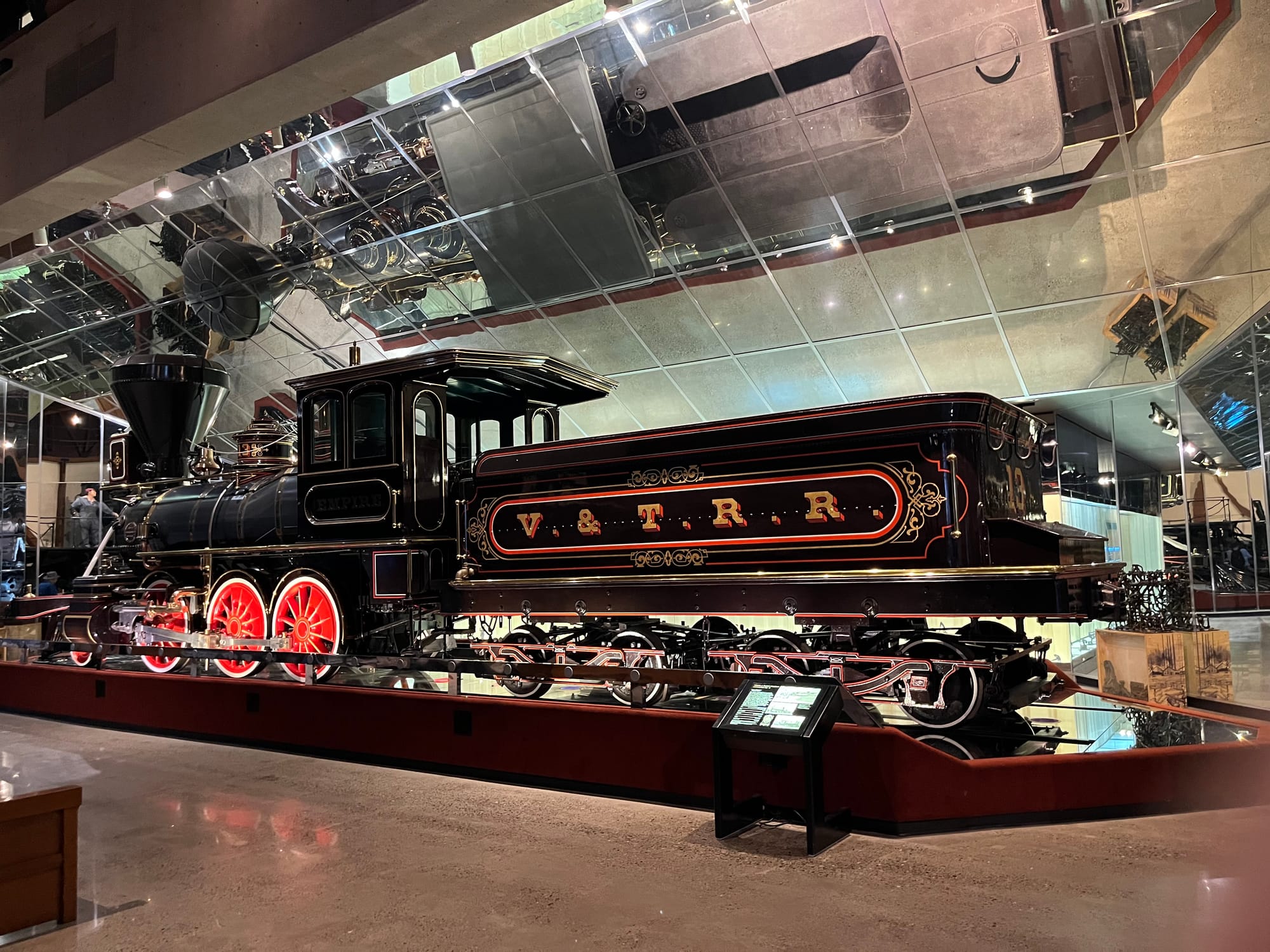
Sharon initially backed Sutro's scheme, helping him secure a congressional charter and funding for the expensive IUD-shaped tunnel that ran four-miles to the Carson River. However, he quickly realized that the tunnel was downhill of his mills, threatening his business with obsolescence. Realizing Sutro's project was too politically popular to stop, he decided instead to compete, building a railroad between the mines and the mills.
Sharon's play succeeded. By getting rid of the small mule carts previously used to haul ore, was able to cut transportation costs so dramatically, mediocre feedstock could be processed and the cost of fuel for pumps dropped. Soon, the vertical integration of mine, plant, and transportation allowed Sharon to expand the railroad to Reno, solidifying his economic grip on northwestern Nevada. Oh, and for a while he owned the only company that supplied clean water to the silver district. Anyone who couldn't pay Sharon drank mine bilge (truly).
Sutro, for his part, got the tunnel built and cashed out immediately. Moving to San Francisco, he reinvested the wealth in a different kind of land: urban property. Ultimately, his assets became high-end neighborhoods, vacation destinations, and an instagram filter. The irony was that when Sutro made money in San Francisco, Sharon got richer as well. This was because Sharon controlled a monopoly on the city's water supply.
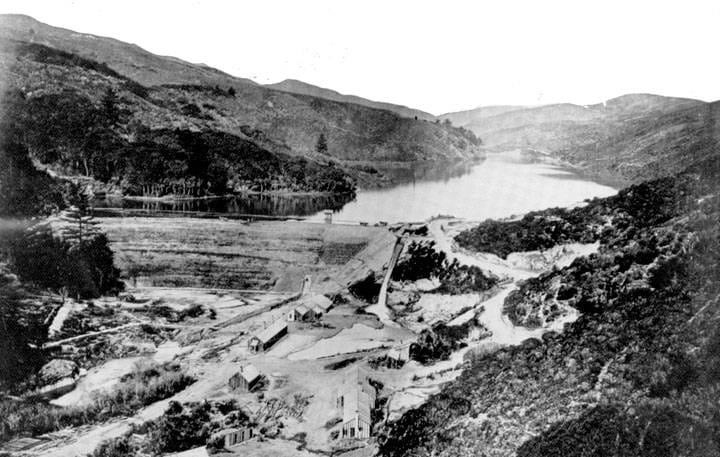
As a ramshackle city with very little precipitation, residents understood how fire and disease could ravage the city. Investors and insurers knew even better. The Spring Valley Water Company was incorporated in 1858 to help. In 1875, it was acquired by William Sharon's business partner, William Ralston, in a scheme to offload the Bank of California's debts during a financial panic. That did not work out; he was fired and immediately swam into the ocean to his death. Sharon was now in control of the Bank of California, the Spring Valley Water Company, and the Nevada companies. It was the making of an empire if he could resolve its debts.
The person tasked with this rescue effort was Francis Newlands. Having watched Ralston get marched out, the task must have felt immense. Nevertheless, he proved himself to Sharon by preventing a run and talking creditors into repayment terms without bankruptcy. For this, Sharon next assigned him the task of figuring out what to do with the water company that they now owned. Like other major cities, the San Francisco could not harvest sufficient fresh water within its own boundaries. Instead, it relied on impounding water from a stream in the foggy Santa Cruz mountains. Over the next decade, Newlands would work closely with the engineer Hermann Schussler to reorganize the company, rebuild its infrastructure, acquire water rights, and expand watershed properties to meet the demands of a growing city. The crowning achievement was the Crystal Springs Dam, near Sharon's estate in Burlingame. To this day, the series of reservoirs and pipelines they built along the San Andreas rift valley underwrite human life in San Francisco.
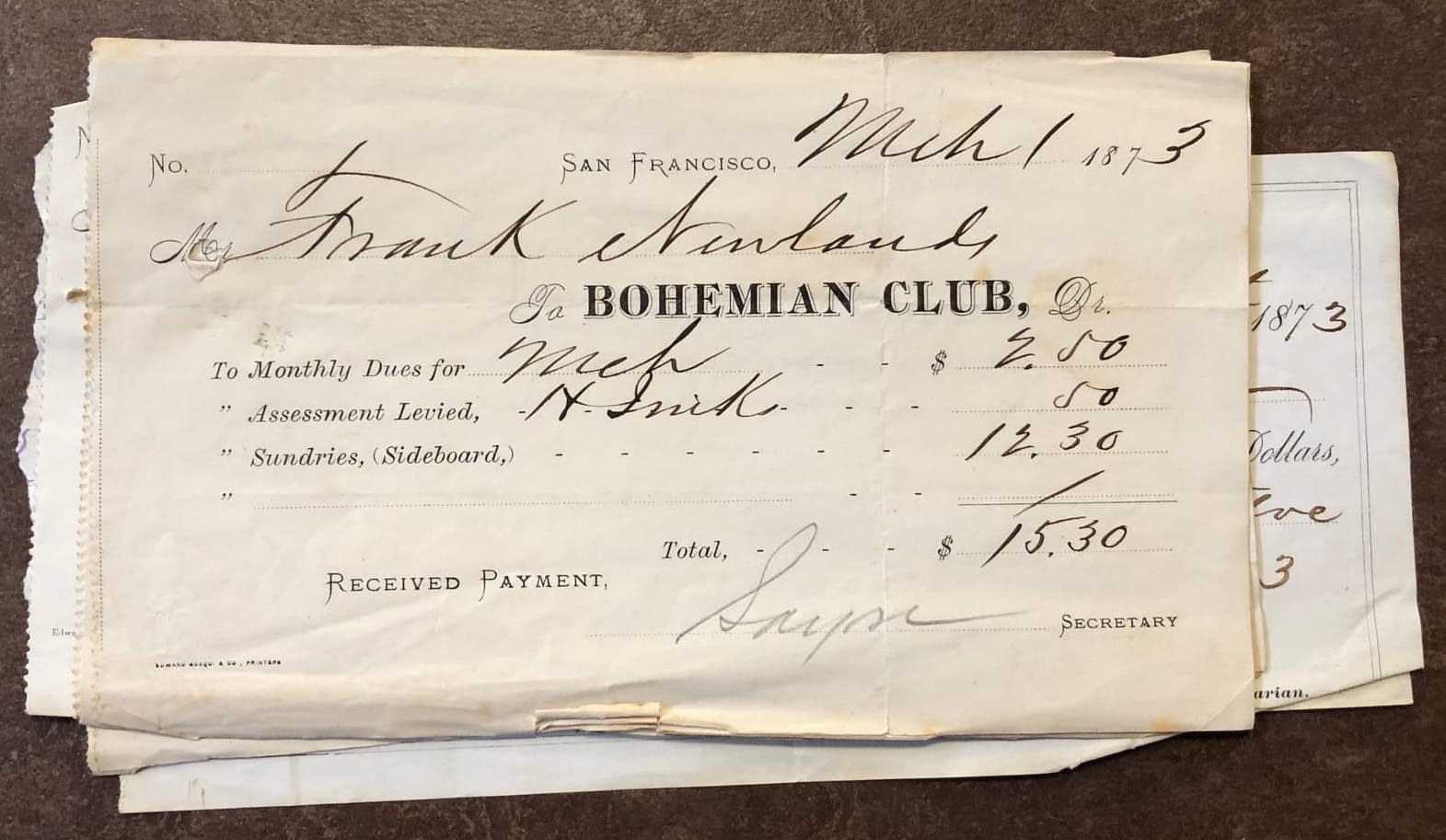
The experience seems to have also given Newlands his first taste of politics. Rural landowners called Spring Valley a thief. In town, they accused the company of being a criminal racket. In courtrooms and in the press, Newlands handled the pressure, cultivating a reputation as a data-driven plain dealer. More than anything, he sought to avoid conflict and publicity. While most San Franciscans never took a liking to Immortan Bill, their politicians were swayed. Socialite biographers like Hubert Bancroft would soon regard him as an expert in the management of both water and politics. In 1885, William Sharon would die. After a lengthy dispute, Newlands assumed control of the vast estate.
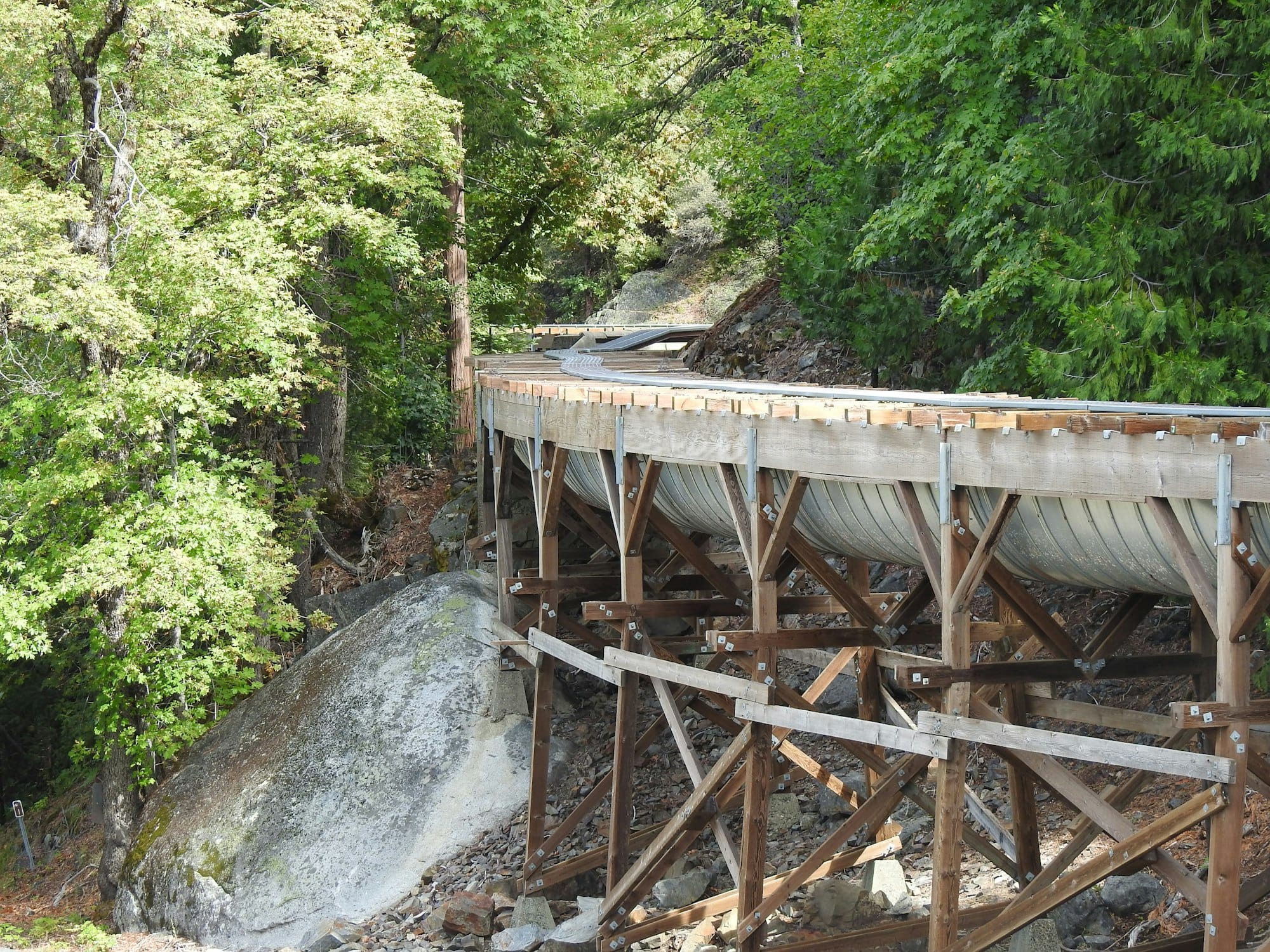
Midway through his life, he had seen how the right amount of water could unlock vast wealth: for the country, and for his family. Water had transformed deserts and swamps. It had eroded mountains and it had built cities. I think Newlands understood something that at first seems very unintuitive, but will transform how you see the world. City and country are not so different. Follow the people, goods, and water that pass through them, and it becomes clear how both are dependent not only on each other, but on the same kinds of infrastructure. Dams, aqueducts, pumps, levees, pipelines, drains, sewers, towers: even if we only survey waterworks, it is clear that almost every American landscape is dependent on the these shared facilities. Even today, the areas around the Malakoff mine receives irrigation, tap water, and electricity from wooden flumes that date to the Gold Rush.
As the environmental historian William Cronon put it in his must-read history of Chicago, Nature's Metropolis, "City and country had emerged from the same past, and would grow toward the same future." From the terra preta of the Amazon to the towers of the Pearl River Delta, the landscape is united by processes of intensification, or urbanization that make the land valuable to humans.
Few people have embraced this idea as much as Francis Newlands. Through the Reclamation Act of 1902 he would enable the conversion of millions of acres of arid land into arable soil. In Washington, his investment in Chevy Chase defined its western suburbs, while he shepherded the McMillan Plan through its first trials. After all, unlike many of his colleagues, he saw enormous potential in the land "reclaimed" from the mud flats of the Potomac. Water management was the heart of all of his work, and it was only a fragment of what he truly envisioned. Every inch of the United States had potential for economic use. With this came a grand social vision of white yeomen farmers, set free from the darkness of cities by turning the deserts into something like a city.
Now enjoy reflections on flow from a couple of other Bay Area visionaries:
This grand vision Francis Newlands did after 1885 is, by the way, the subject of my talk at the DC History Conference, next Saturday, May 2nd 2026 at 10:30AM. I will discuss just how big he was thinking, how the idea was shaped by his fanatical racism, and how his vision ultimately became a reality. I hope I see you Saturday.
I can tell, you need to know a lot more about the Inland Waterways Commission:
Sources:
Bancroft, Hubert H. Builders of the Commonwealth: A Historical Character Study. San Francisco: The History Company, 1891. Internet Archive.
Brechin, Gray. Imperial San Francisco: Urban Power, Earthly Ruin. Berkeley: University of California Press, 2006.
Cronon, William. Nature's Metropolis: Chicago and the Great West. New York: Norton, 1991.
Francis Griffith Newlands papers, MS 371. Yale University Special Collections, New Haven, CT.
Hindle, Richard. "California's Legacy of Swamplands." Boom: A Journal of California, September 2017.
Johnson, Benjamin H. Escaping the Dark, Gray City: Fear and Hope in Progressive-Era Conservation. New Haven: Yale University Press, 2017.
Makley, Michael J. The Infamous King Of The Comstock: William Sharon and The Gilded Age in the West. Reno: University of Nevada Press, 2006.
Merleaux, April. Sugar and Civilization: American Empire and the Cultural Politics of Sweetness. University of North Carolina Press, 2015.
Nevada Irrigation District, South Yuba Canal. Accessed April 28th, 2026.
Rowley, William D. Reclaiming the Arid West: The Career of Francis G. Newlands. Bloomington: Indiana University Press, 1996.
Pisani, Donald J. “‘Why Shouldn’t California Have the Grandest Aqueduct in the World?’: Alexis Von Schmidt’s Lake Tahoe Scheme.” California Historical Quarterly 53, no. 4 (1974): 347–60.
Pisani, Donald J. From the Family Farm to Agribusiness: The Irrigation Crusade in California and the West, 1850–1931. University of California Press, 1984.
Pisani, Donald J. “The Origins of Western Water Law: Case Studies from Two California Mining Districts.” California History 70, no. 3 (1991): 242–57.
Sharon Family Papers, MSS C-B 777. Bancroft Library, Berkeley, CA.
Union Mill and Mining Company Records, MS 2011-20. University of Nevada Special Collections, Reno, NV.
Worster, Donald. Rivers of Empire: Water, Aridity, and the Growth of the American West. New York: Pantheon Books, 1985.
In each other's business since 1882.